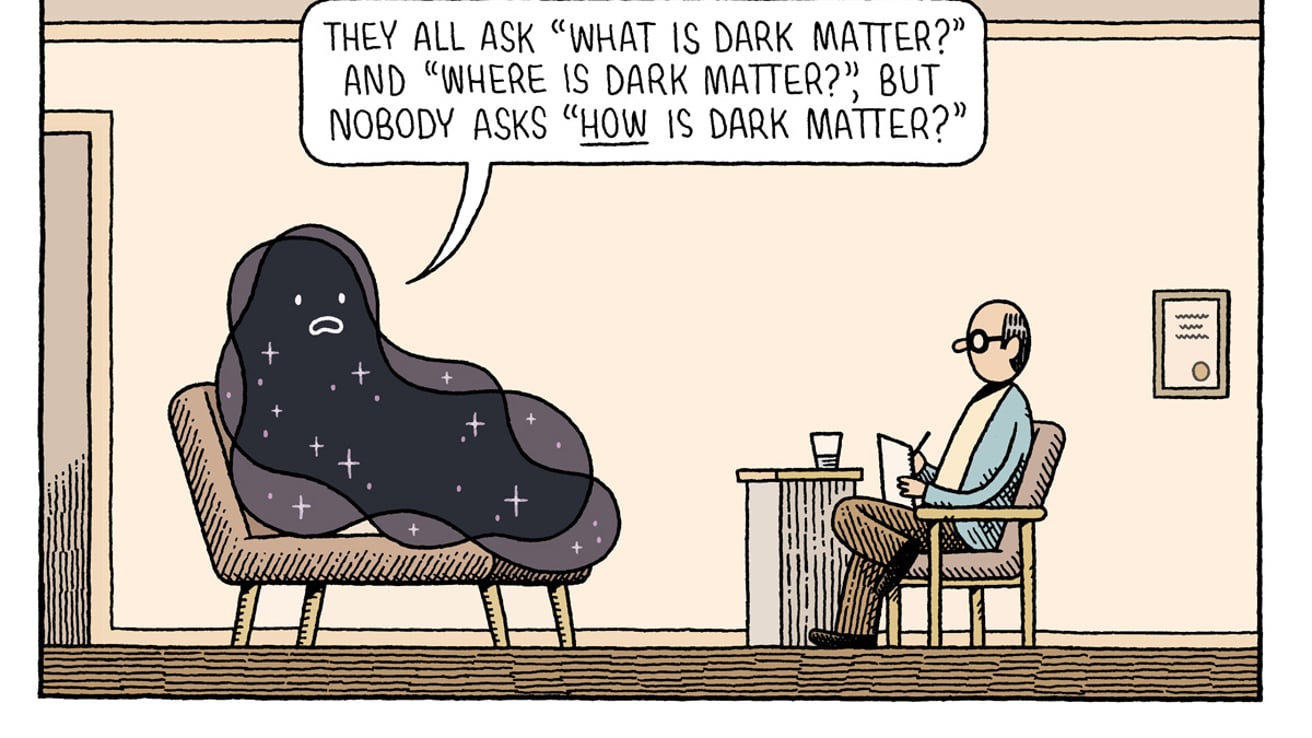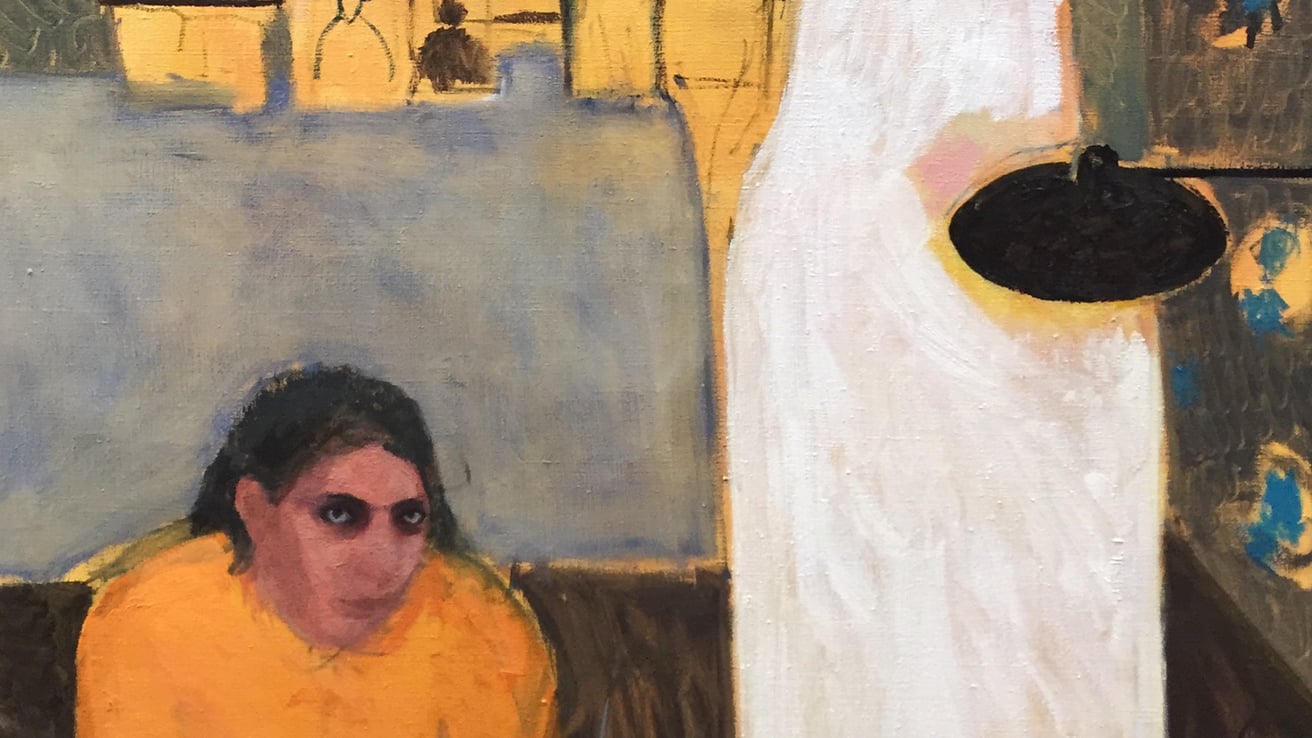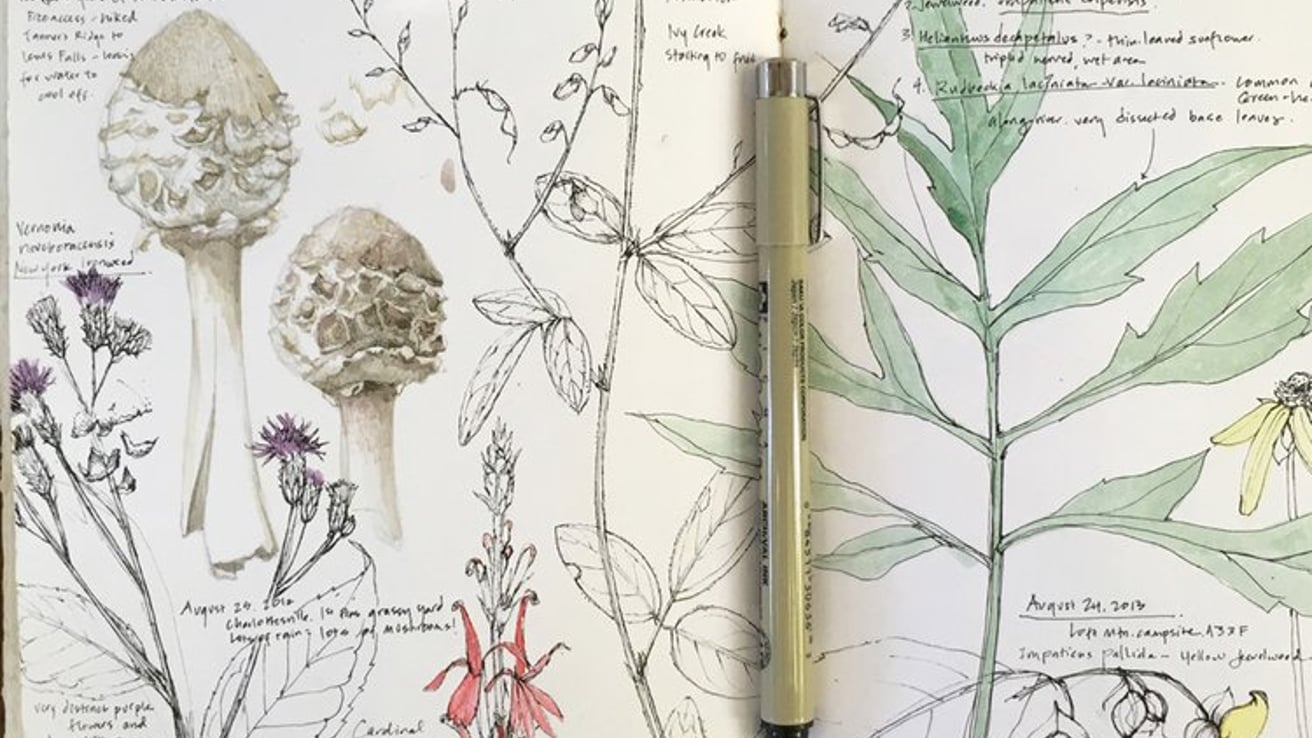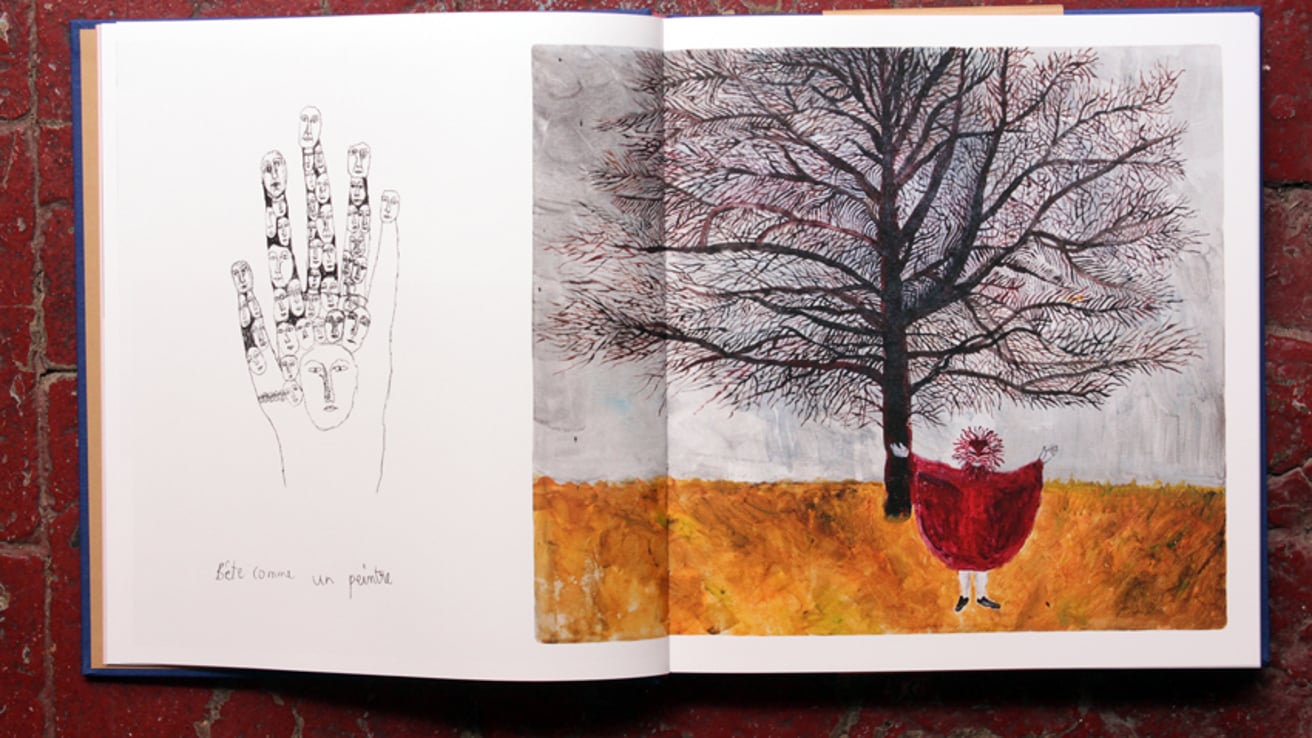


So, what does rest look and feel like, exactly? What “counts” as resting, and when are we simply swathing our toxic productivity in soft pants and a robe?
Un article de saison qui permet de définir le repos, un concept évident en apparence, mais beaucoup plus difficile à saisir en pratique pour beaucoup d’entre nous.
Constantly running through the long list of things you want to get done or that you feel “should” be doing—because you’ve fully embraced #nodaysoff #hustle culture, or because you literally cannot miss work without losing the income you need to survive—is not the same as meaningfully resting, even if you’re sitting down or wearing your pajamas. “It does you very little good to be in bed while your mind is racing,” Conlon says.
[…]
Not everyone has the option to rest the way they probably should for their health—and that’s also not a personal or moral failure. “We have built a society where it’s nearly impossible to rest,” Seltzer says. “Rest is anti-capitalistic.”
*
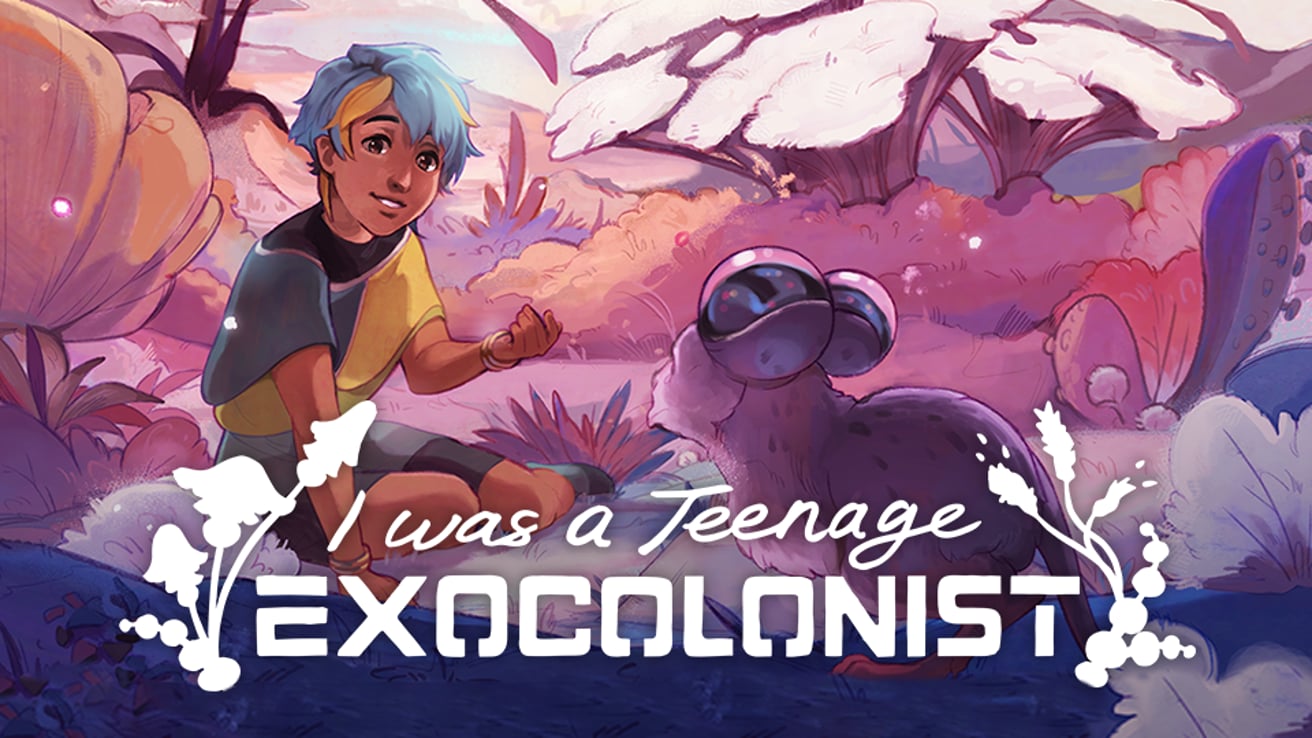
Cette année j’ai joué à Pikuniku et Ooblets, deux jeux vidéos qui ont en commun d’avoir un univers visuel coloré, rond et farfelu et de soutenir un message (pas très) subtilement anticapitaliste (je n’en dirais pas plus pour ne pas divulgâcher).
Dans Ooblets, notre personnage s’installe sur l’île d’Oob pour prendre un nouveau départ dans la vie, où l’on peut gérer une ferme, aménager sa maison, récolter des denrées dans la nature, pêcher (des détritus), faire pousser de petites créatures mignonnes (les Ooblets) et surtout les faire participer à des battles de danse.
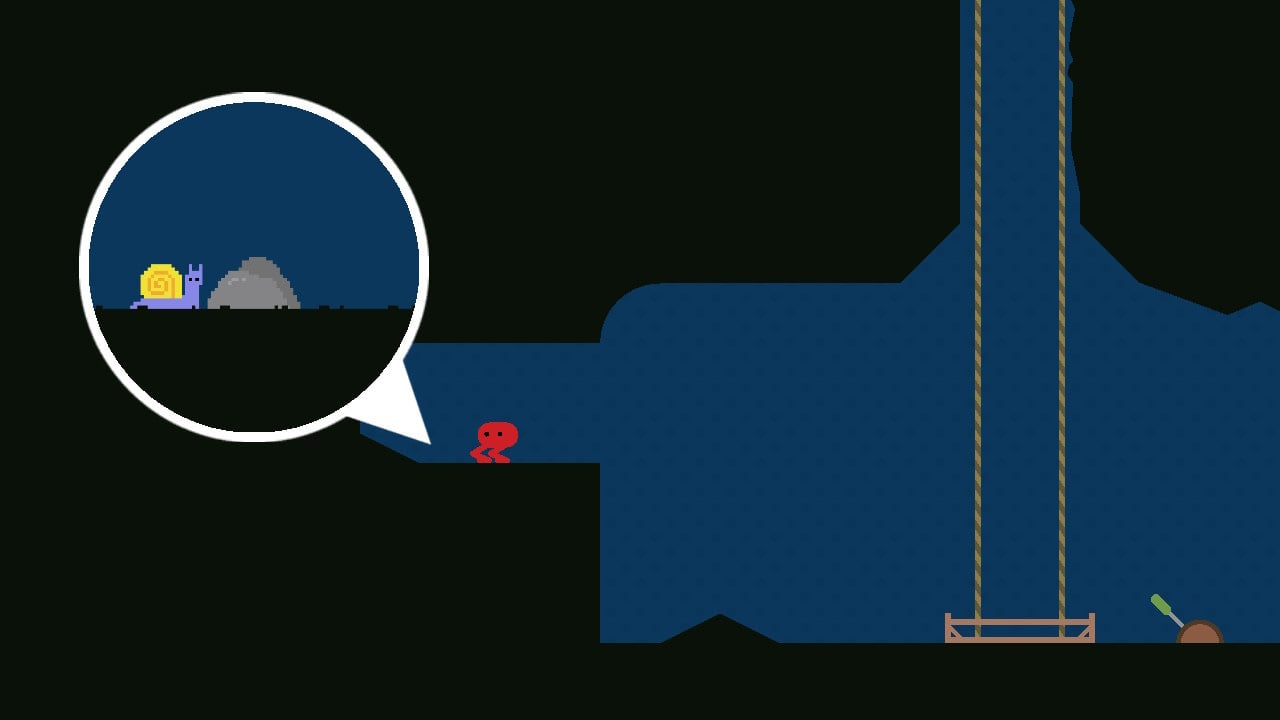
Pour Pikiniku il s’agit de résoudre des énigmes et petits puzzles en incarnant Piku, une créature rouge dotée d’une tête ovale, de deux yeux et de deux jambes et c’est tout. Avec beaucoup de souplesse, Piku lance des coups de pieds pour casser des cailloux ou ouvrir des portes, s’accroche à des aspérités pour se balancer et s’élancer dans les airs, ou bien se ramasse tout petit petit pour se faufiler dans des passages étroits (et il y a ponctuellement des battles de danse aussi !)
*
À propos de l’usage des jeux vidéos par les enfants et les adolescent·es :
I see children who don’t feel competent anywhere else in their lives, feeling good about themselves when they play video games. I ask them about their gaming and they come alive. I download the games myself and we chat about strategy. They often can’t believe an adult is interested.
I see young people who are really isolated, starting to make connections through online gaming. They can start by in-game typing and then move into voice chat. The shared game takes the pressure off, and they can relate.
I meet young people who can regulate their emotions with their tablet, taking some time out in their day to put on headphones and sink into their safe zone, meaning that they can carry on afterwards. It’s such a useful and portable way to take some time out. All that’s necessary is for the adults to understand why it’s important, and to help them find a space to do so.
I do also see young people whose lives are difficult, and they use gaming to avoid their thoughts and feelings. Their parents worry & start to put in bans. The thing is, the gaming is the solution they’ve found, not the cause. Bans won’t solve that, and they can drive wedges between parents and children. It’s the difficult life we need to change, and one way to start is to nurture the relationships with their parents, and to build on the things which are good.
*
Du côté des coquillages, j’ai débuté une petite série de fiche de lecture sur l’accompagnement psychologique en pédiatrie, la prochaine, que j’enverrai bientôt, portera sur les soins potentiellement douloureux. La première Ne pas dire est nocif, trop dire l'est aussi, traite de l’annonce de la maladie à l’enfant.